
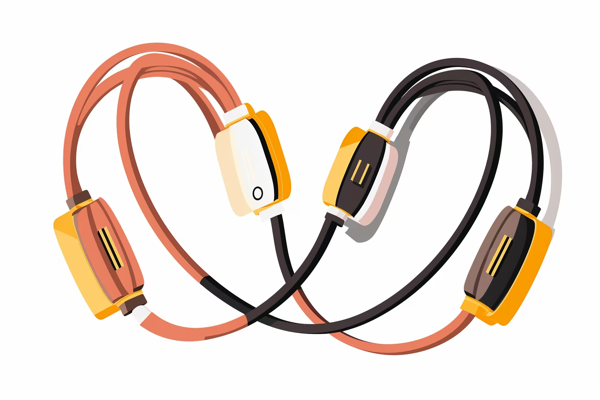
The Flexible World of Tablet Hardware: Unraveling the Mysteries of Flex Cables
Tablets have become an integral part of our lives, serving as our digital companions for work, entertainment, and everything in between. But have you ever wondered about the intricate components that make these devices function seamlessly? One such component that plays a crucial role in tablet hardware is the flex cable. In this blog post, we will dive deep into the world of flex cables, demystifying there importance, functionality, and impact on tablet performance. So, buckle up and get ready to explore the flexible world of tablet hardware!What are Flex Cables?
Flex cables, also known as flexible flat cables (FFCs) or ribbon cables, are thin, narrow, and flexible connections that serve as a bridge between various components within a tablet. These cables are typically made of several layers of plastic film, with conductive traces sandwiched in between.The Versatility of Flex Cables
Flex cables are designed to be versatile, allowing them to bend and flex without breaking or losing their functionality. This flexibility enables them to be routed through tight spaces within a tablet, connecting different parts and ensuring efficient communication between them. Whether it's the touch screen, display, camera module, buttons, or even the battery, flex cables play a crucial role in connecting these components to the tablet's central processing unit (CPU) or other vital circuitry. They act as the central nervous system, allowing data and power to flow seamlessly throughout the device.Flex Cable Design and Construction
Flex cables come in various designs and configurations, tailored to the specific requirements of each tablet model. The conductive traces within the cable can be made of copper, aluminum, or even a combination of materials, depending on the desired electrical conductivity and cost considerations. The number of conductive traces within a flex cable can vary significantly. Some cables may have only a few traces, while others may contain dozens or even hundreds. These traces are precisely positioned and interconnected, allowing for the transfer of data, power, and control signals.Challenges and Solutions
Flex cables, being an integral part of tablet hardware, are not without their challenges. The constant bending, twisting, and flexing can put strain on the conductive traces, potentially leading to signal loss or even complete failure. Furthermore, the thin plastic layers protecting the traces may also be susceptible to damage. To tackle these challenges, manufacturers employ various techniques. Reinforcing materials like adhesive tapes or extra layers of plastic may be added to strengthen the flex cables, providing better resistance against wear and tear. Additionally, careful routing and positioning of the cables within the tablet's design help minimize stress on the delicate conductive traces.Care and Maintenance
As tablet owners, it's essential to understand how to take care of our devices, including the flex cables that keep them running smoothly. Here are a few tips to help maintain the longevity of your tablet's flex cables:- Avoid excessive bending and twisting: While flex cables are designed to flex, excessive bending and twisting can strain the cables and lead to damage. Handle your tablet with care, and try to avoid placing excessive pressure on it.
- Protect the connectors: The connectors where the flex cables attach to the tablet's circuitry are vital contact points. Ensure they remain clean and free from dust or debris. When disconnecting or reconnecting cables, do so gently to avoid bending or damaging the connectors.
- Regular cleaning: Dust and dirt can accumulate over time, potentially affecting the performance of your tablet. Use a soft, lint-free cloth or an electronics-safe cleaning solution to gently wipe the surface of your tablet, including the areas around the connectors.
Conclusion
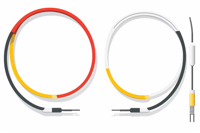
Flex cables are the unsung heroes of tablet hardware, enabling seamless communication between various components within the device. Understanding their importance and taking proper care of them can help ensure the longevity and optimal performance of your tablet. Next time you interact with your tablet, take a moment to appreciate the flexible world hidden beneath its sleek exterior. It's a world where flex cables play a vital role, connecting and powering the digital experience we've come to rely on. So go ahead, explore, create, and enjoy the wonders of your tablet, knowing that the mysteries of flex cables have been unraveled!Product Mention: When it comes to maintaining the longevity of your tablet's flex cables, consider using high-quality replacement parts like the MMOBIEL Volume Flex for iPad 2 or the Power on Off Volume Button Silent Switch Flex Cable Replacement for iPad 2. These replacement flex cables are designed to ensure seamless communication between the various components of your tablet, allowing for optimal performance.
yoth - October 17, 2023
Great post! I had no idea flex cables played such a big role in tablet hardware. Thanks for breaking it down!
Tiziana - October 16, 2023
Wow, I had no idea flex cables were so important in tablet hardware! Thanks for shedding light on this. Great post!
Made_by_People - October 15, 2023
Wow, I never knew flex cables played such a big role in tablet hardware! Thanks for breaking it down in such a simple way. Really helpful post!
udve - October 14, 2023
OMG! This post is soooo helpful! I never understood flex cables before, but now it's like a light bulb turned on in my brain! Thank you!!
barrhaven - October 13, 2023
OMG I had no idea flex cables were so important in tablets! Thanks for breaking it down, now I feel like a tablet hardware expert haha! Can't wait to read more of your posts!